Pregabalin at a glance
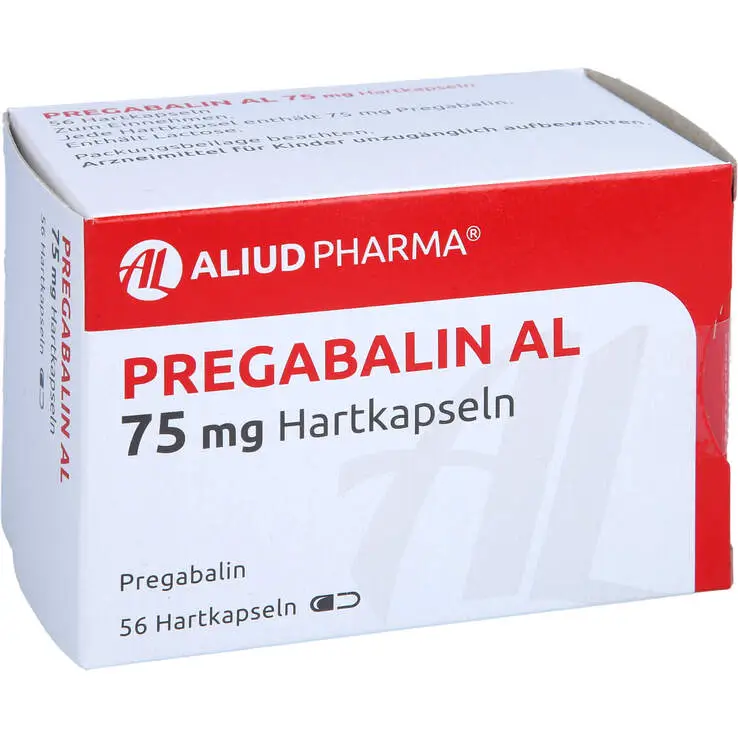
Pregabalin helps with burning, stabbing or shooting nerve pain, such as pain caused by diabetes or after shingles. The dose is increased gradually. Dizziness and drowsiness are common at first.
How Pregabalin works
With nerve pain, irritated or damaged nerves send signals even though there is no fresh injury. Pregabalin binds to certain channels in nerve cells and reduces the release of messenger substances, so fewer pain signals are passed on.
When Pregabalin is prescribed
Typical uses:
- nerve pain caused by diabetes or spinal disc damage
- pain after shingles
- generalised anxiety disorder in adults
- add-on treatment for focal epilepsy
How the dose is built up
Treatment usually starts with 150 mg a day, split into two or three doses. Depending on the effect, the doctor increases it after three to seven days. With nerve pain, the full effect often only appears after a few weeks.
Possible side effects
Dizziness and drowsiness are very common. Weight gain, blurred vision, fluid retention and difficulty concentrating are also common. Many complaints ease after the first few weeks.
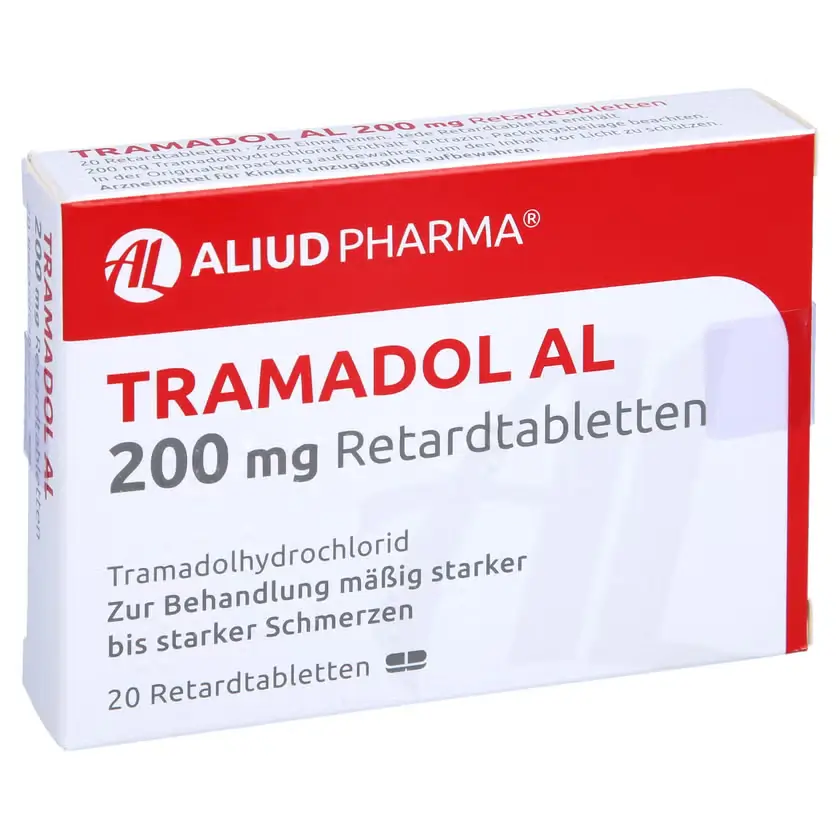
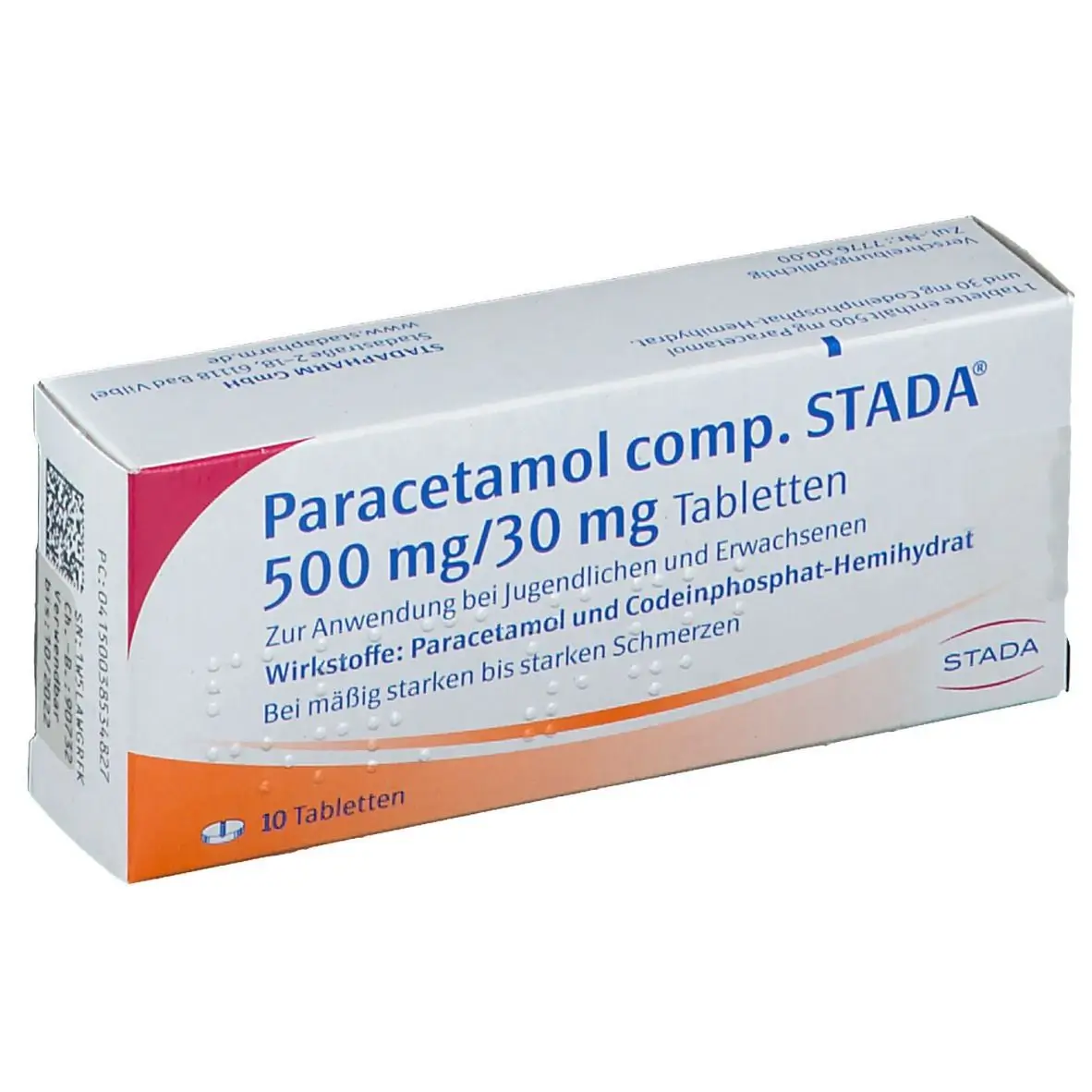
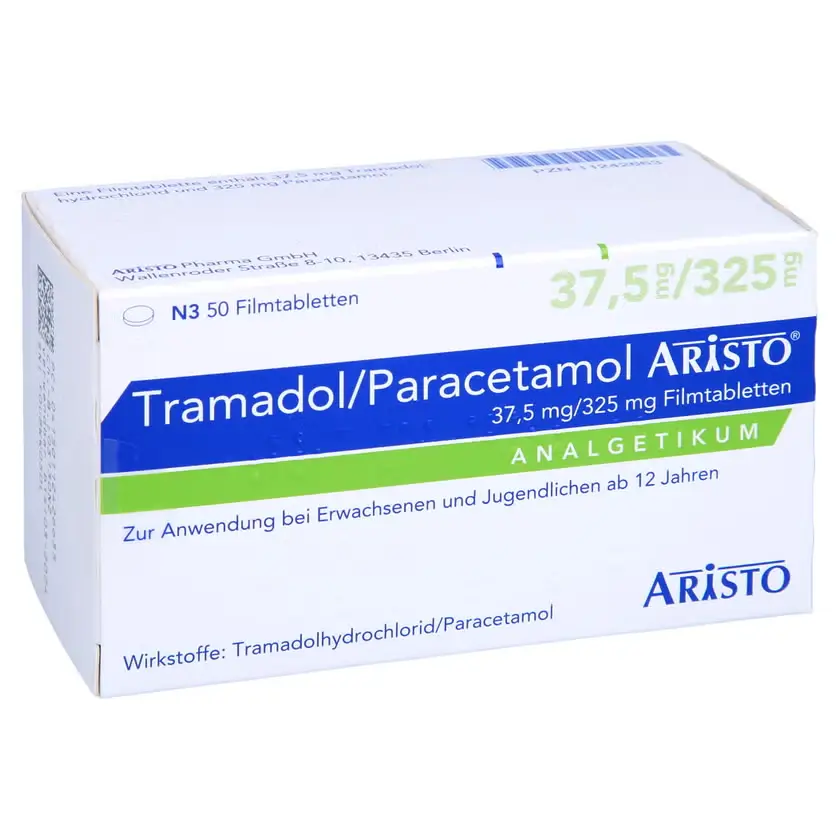
Taken together with opioids such as Tramadol or Tilidine, the risk of dangerously shallow breathing increases. Pregabalin must not be stopped suddenly; the dose is reduced over at least one week.
Who needs to be careful
Special care is needed with reduced kidney function, heart failure, older age and a history of addiction. Please list all painkillers and sedatives in the questionnaire.
This information does not replace the package leaflet or advice from a doctor or pharmacist.